I was looking for tiny quaint villages in the the north of Cotswolds, villages that are really small and not big market towns and definitely ones we had never visited until then. That is how I stumbled on Lower and Upper Slaughter, the twin villages about a couple of miles away from the more popular Bourton on the Water. And ofcourse, the fact that registered with me is how the word Slaughter came up – definitely nothing to do with slaughtering, it is derived from the old English word “slothre” that means “muddy place” which I can assure you along with every other article on the internet, it most certainly is not.
What it is though, is ethereal.
My research had told me of how scanty parking space is and all of my searches only threw up one road near the Manor House and said there are only a few spots available. And so we found ourselves there at 8 in the morning, with just one or two joggers who were residents, in sight. Bliss.
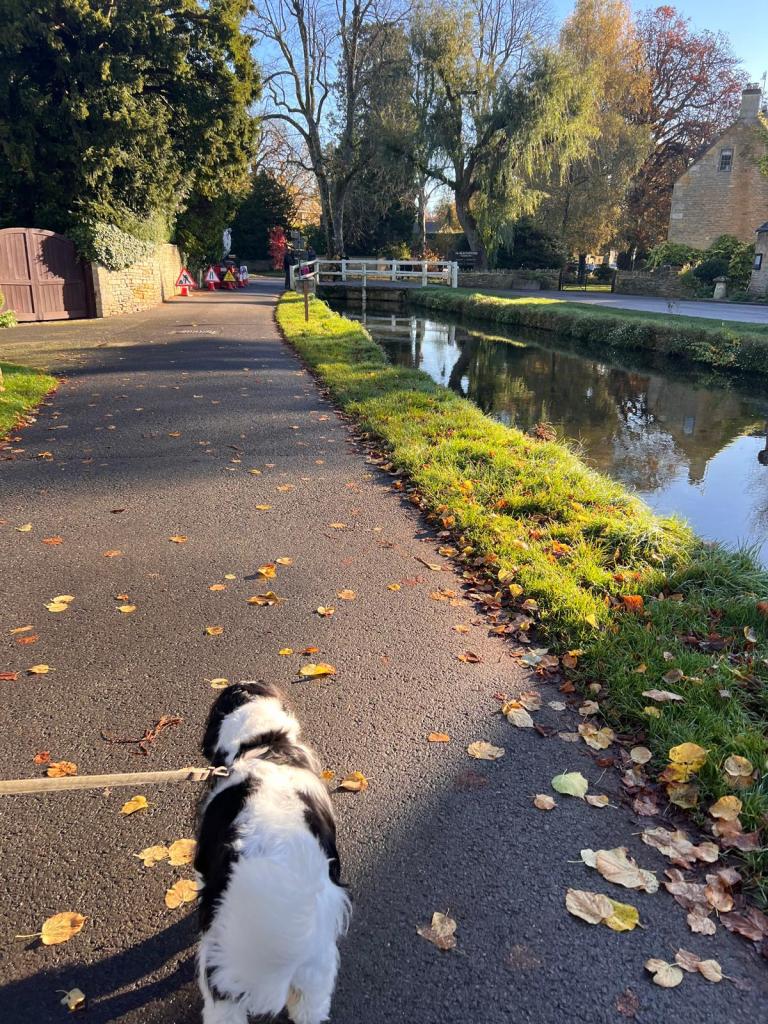
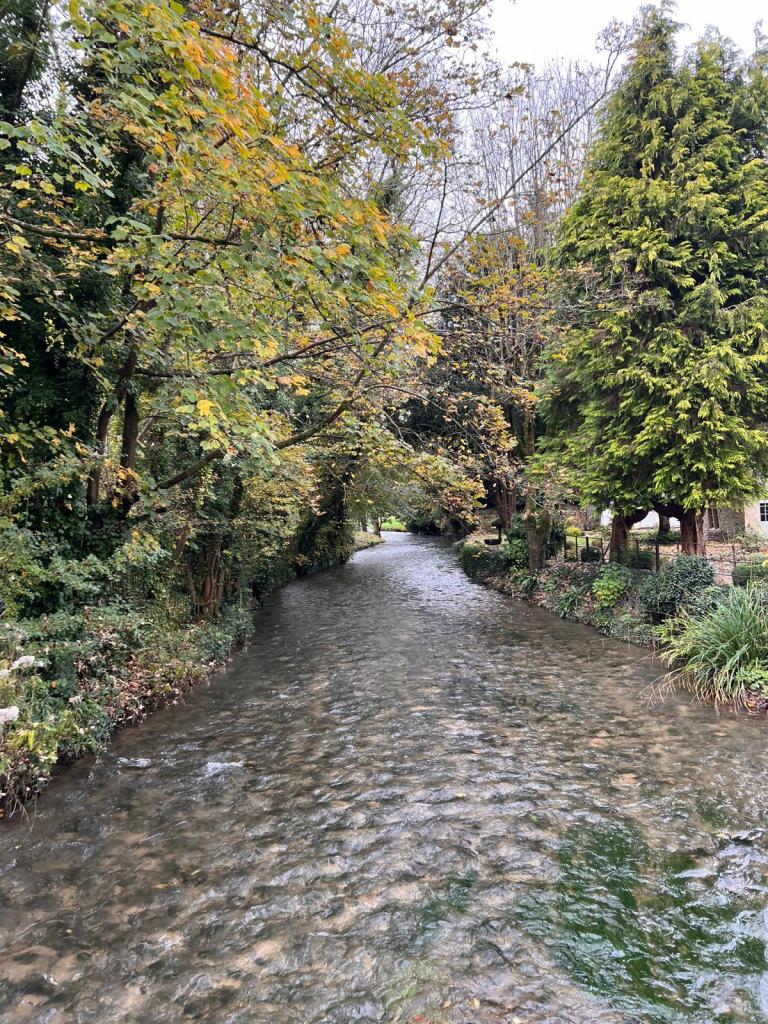
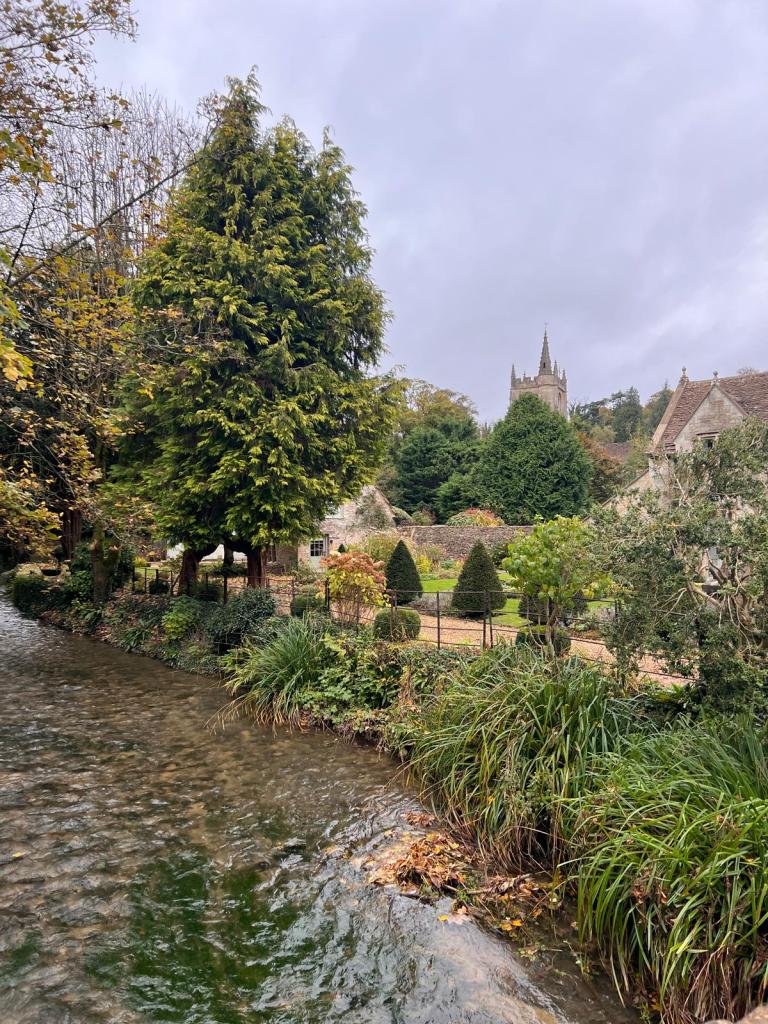
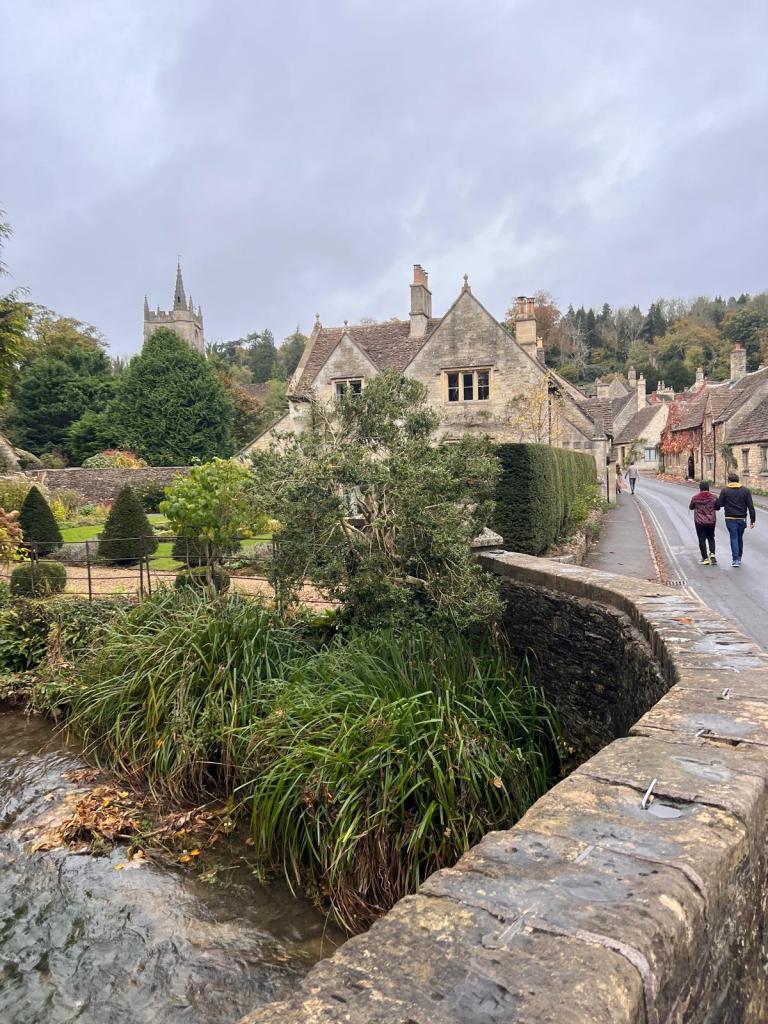
We parked by a stream that I later realised is the river Eye that runs through the village and was potentially the source of “muddy” banks. It really looks like a stream though it is a river. Walking along the river is one of the most memorable highlights of our entire trip.
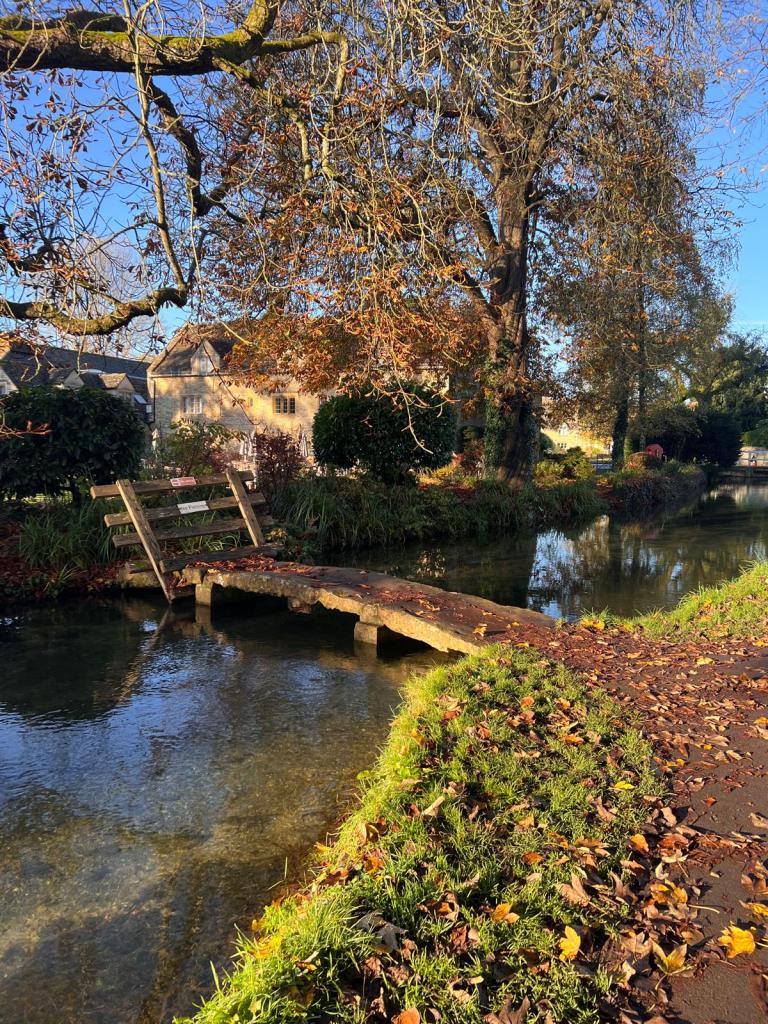
I was in love with those beautiful stone foot bridges! You will find a couple as you walk along.
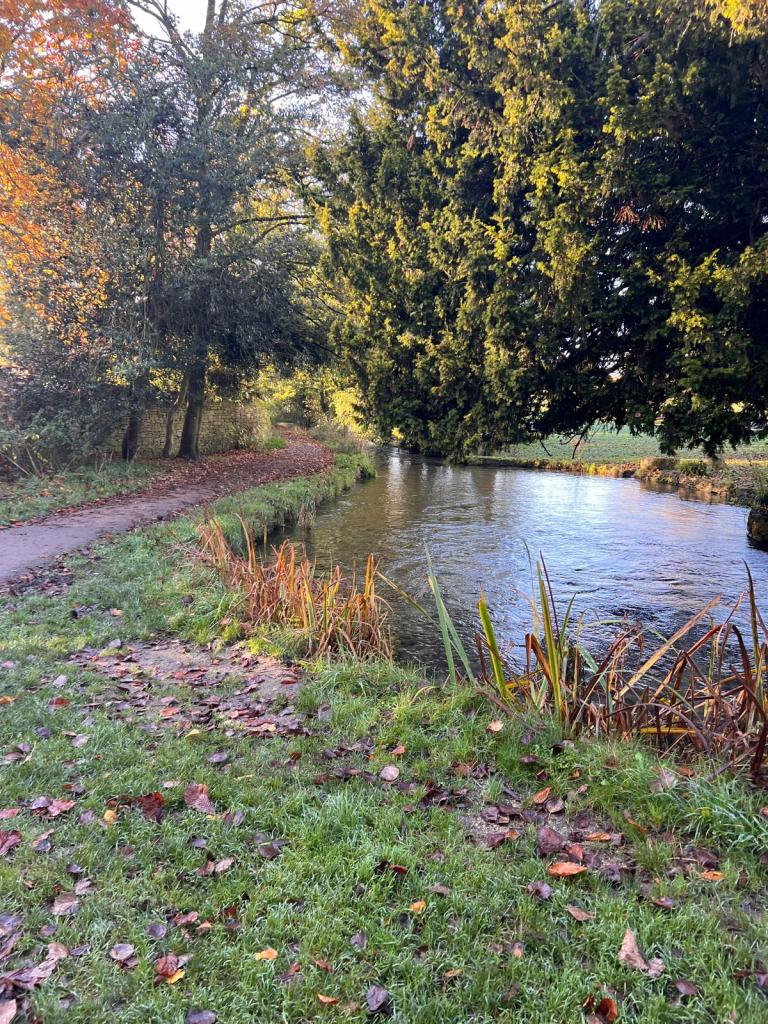
To watch the reflection in that pristine glass like water as we (read: I) tried to be as quiet as possible because I wanted to break into a song and announce to the world of how much beauty there is to be discovered all around us! I am sure the residents would not take too kindly to it, so I was on my best behaviour.
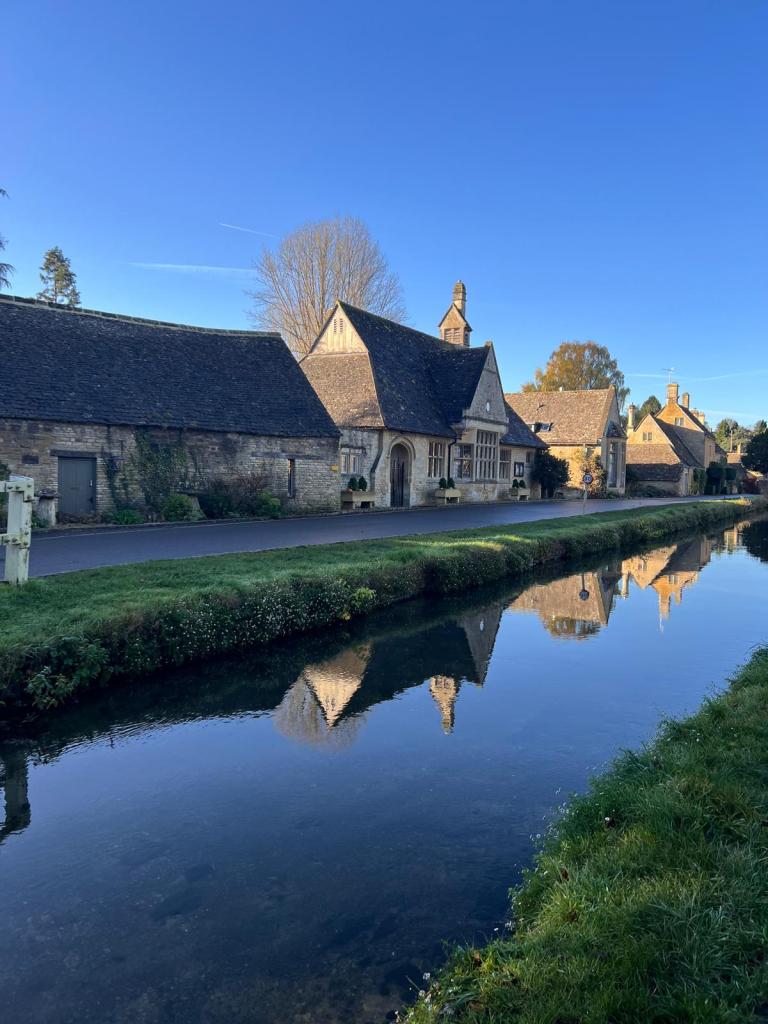
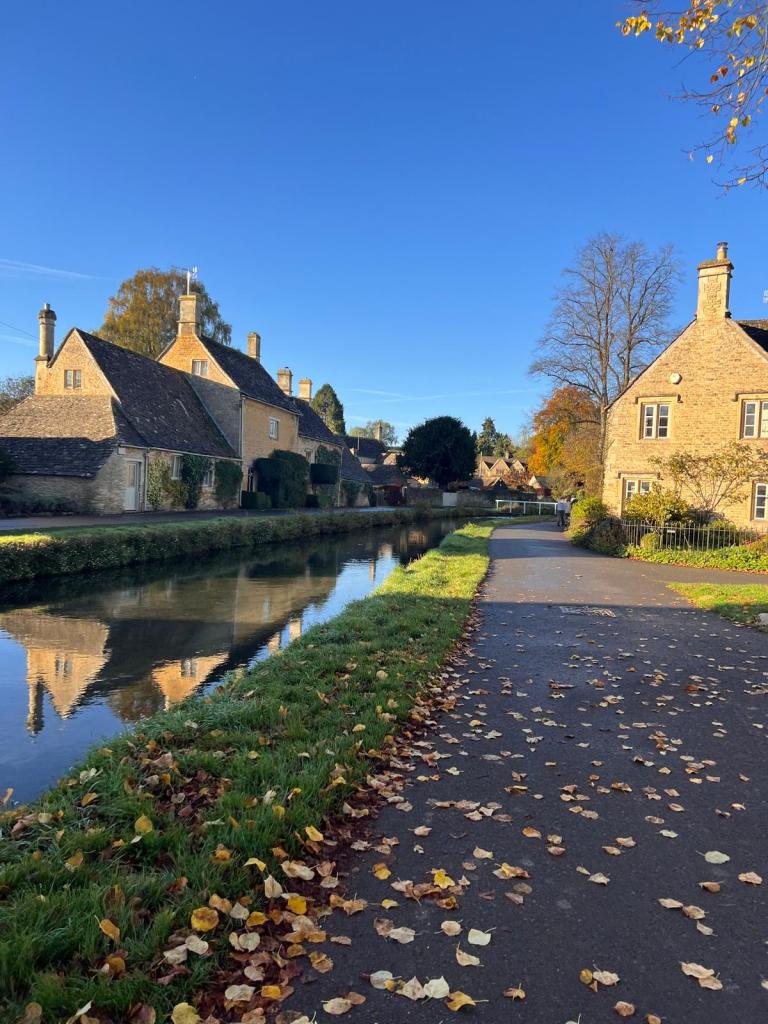
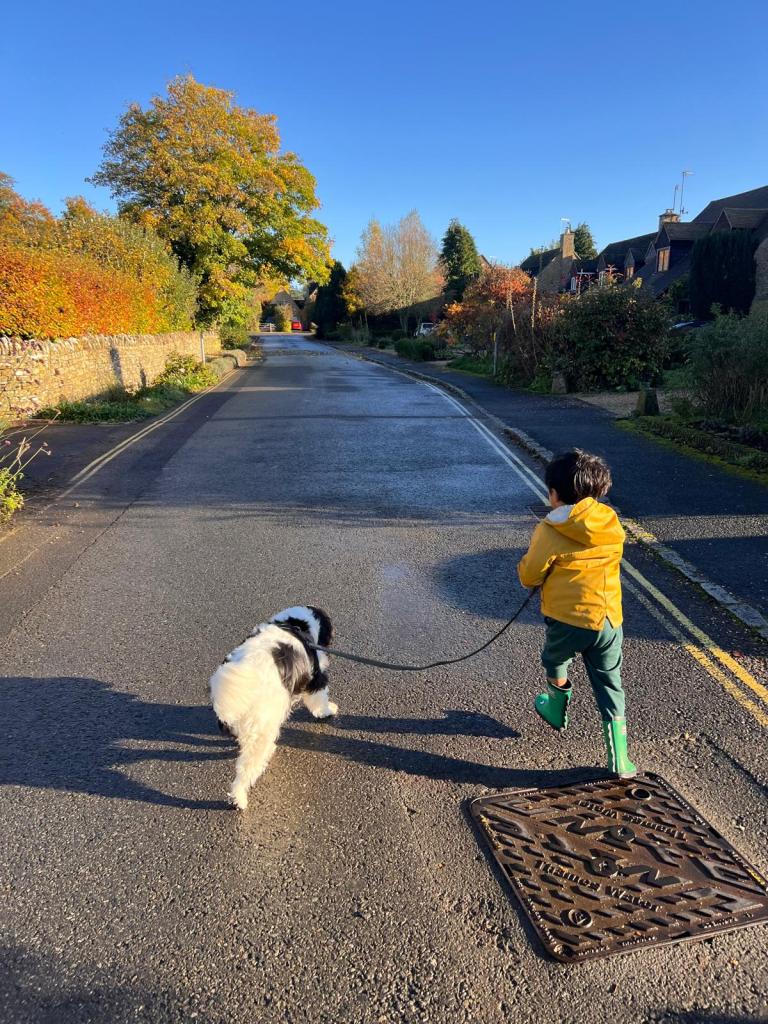
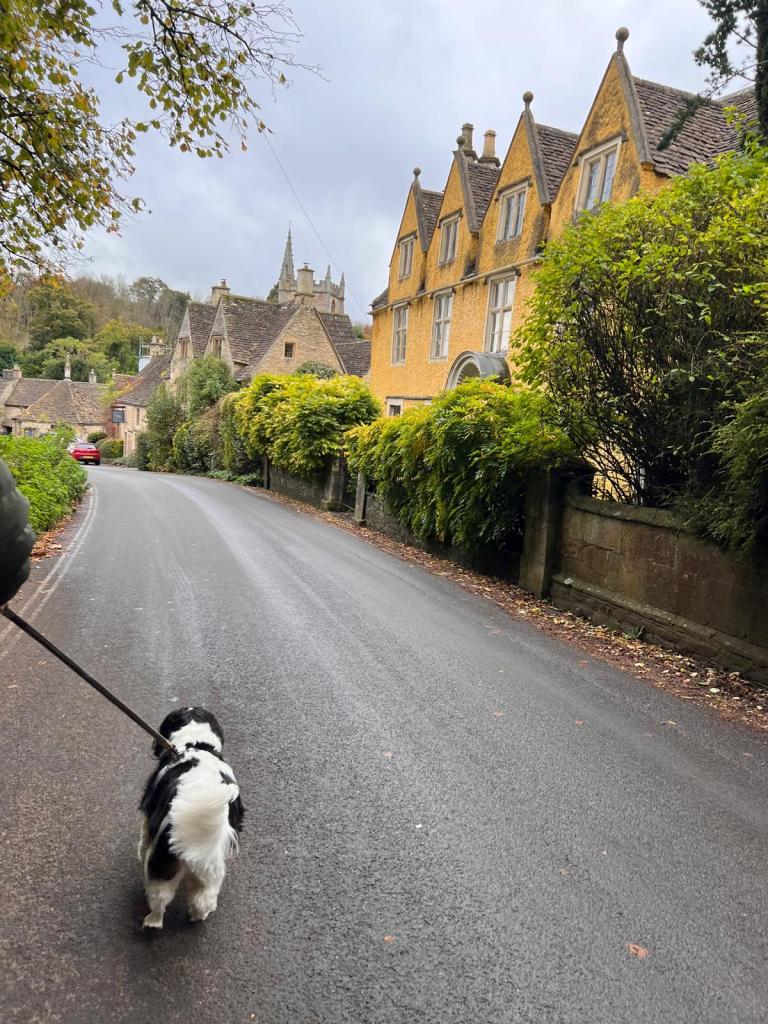
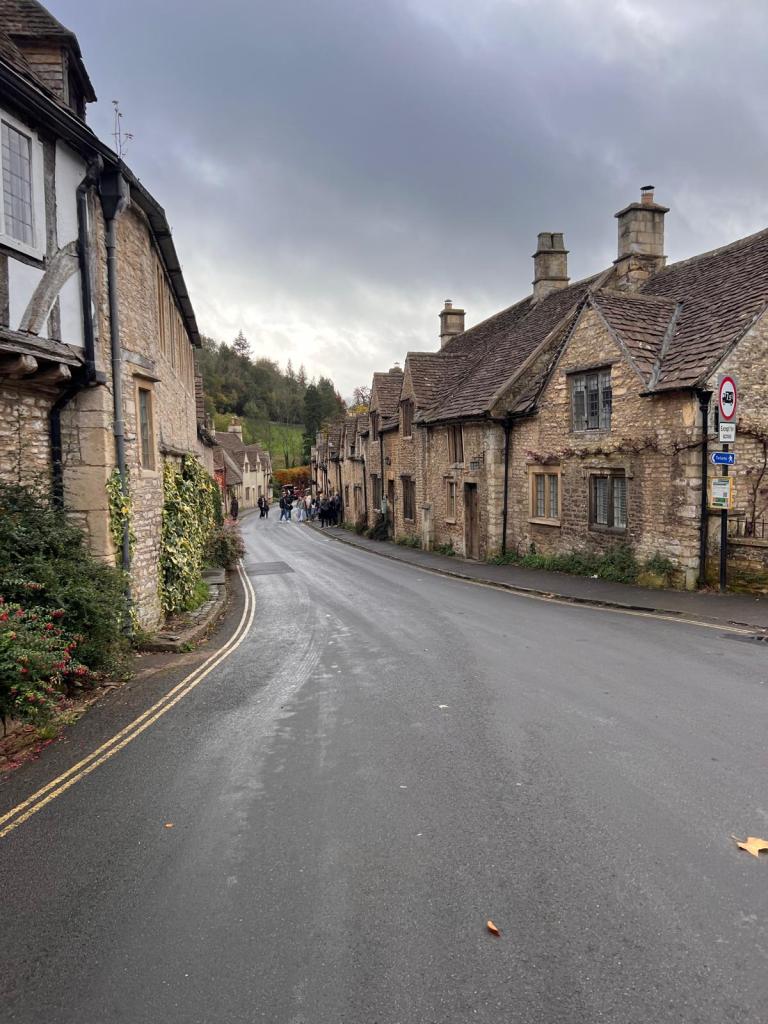
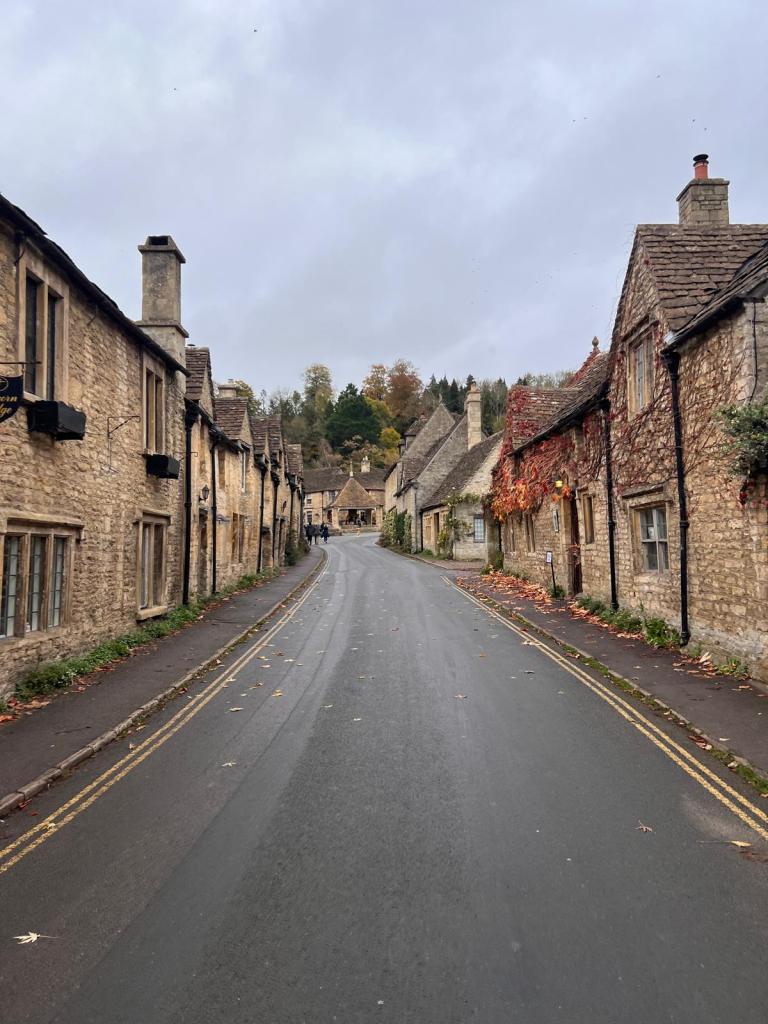
As you start walking further up along Copse Hill road which according to some of the sources has been voted the prettiest road in Britain, you cannot help falling in love with this beautiful village but also wonder how the residents must feel when it gets all busy with tourists. It is not easy being a resident in picturesque towns, is it?

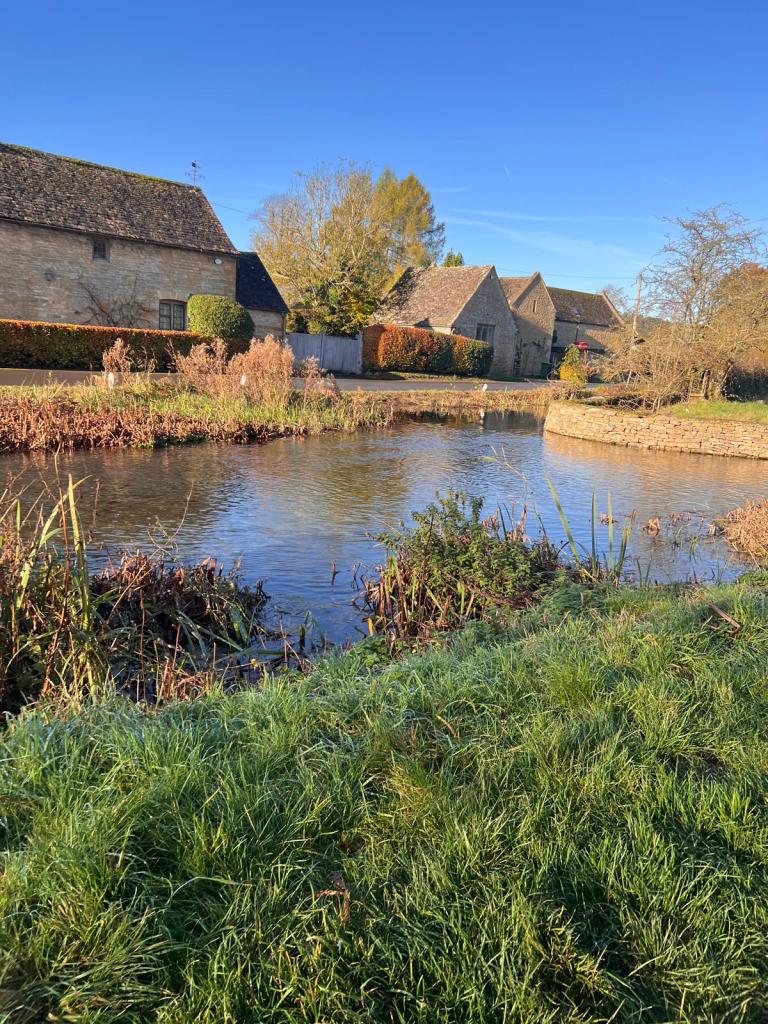
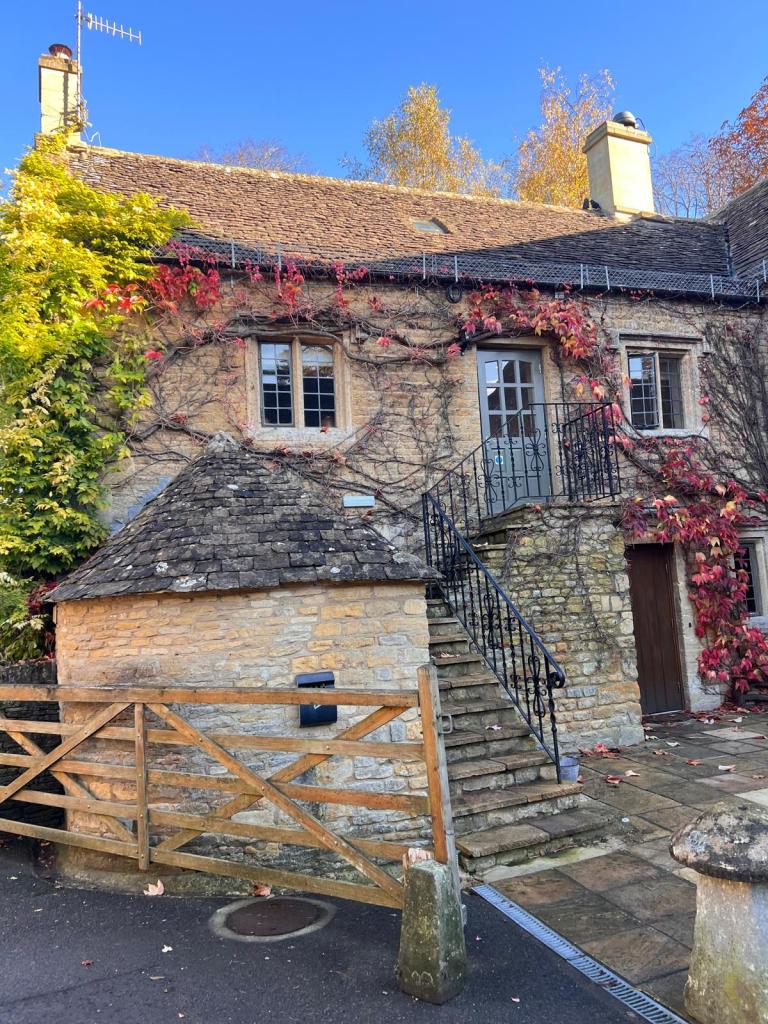
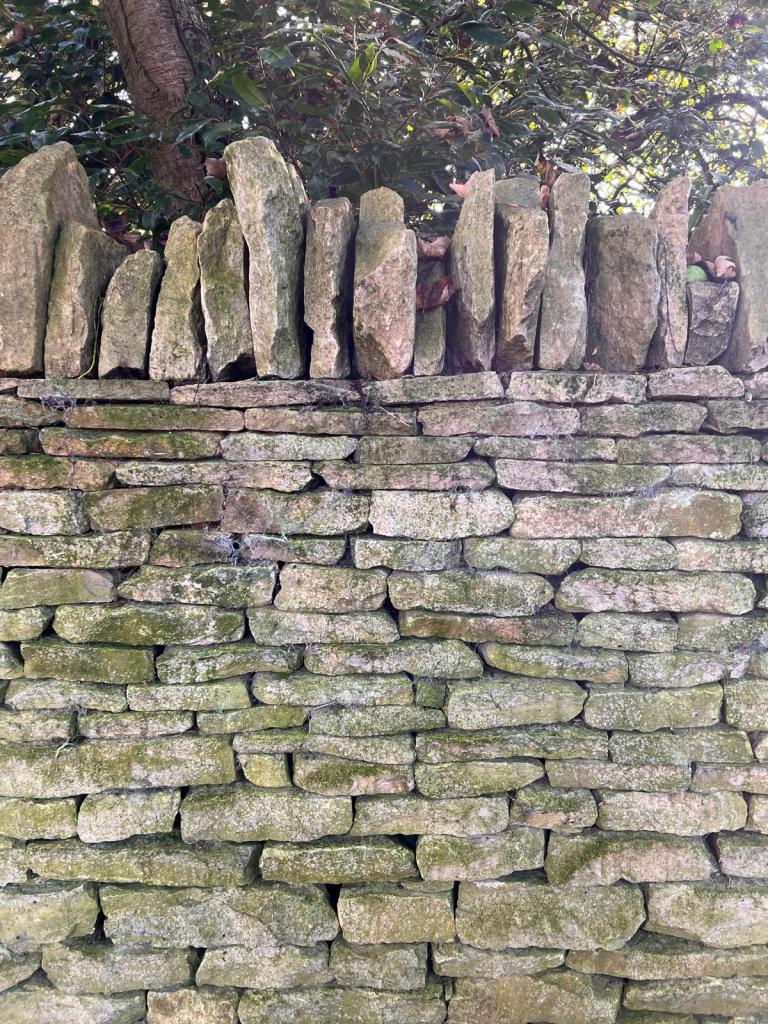
I was really mesmerised by this style of stone houses – hundreds of homes across Cotswolds built in this distinctive style with Cotswold stone. This must have been so time consuming to build and yet stands tall and strong to this day!
I was trying to read more about how these stones are formed (makes for a fascinating read, especially so when you are procrastinating on something) and I stumbled on these words by J. B. Priestley who wrote of Cotswold stone that – “the truth is that it has no colour that can be described. Even when the sun is obscured and the light is cold, these walls are still faintly warm and luminous, as if they knew the trick of keeping the lost sunlight of centuries glimmering about them.”

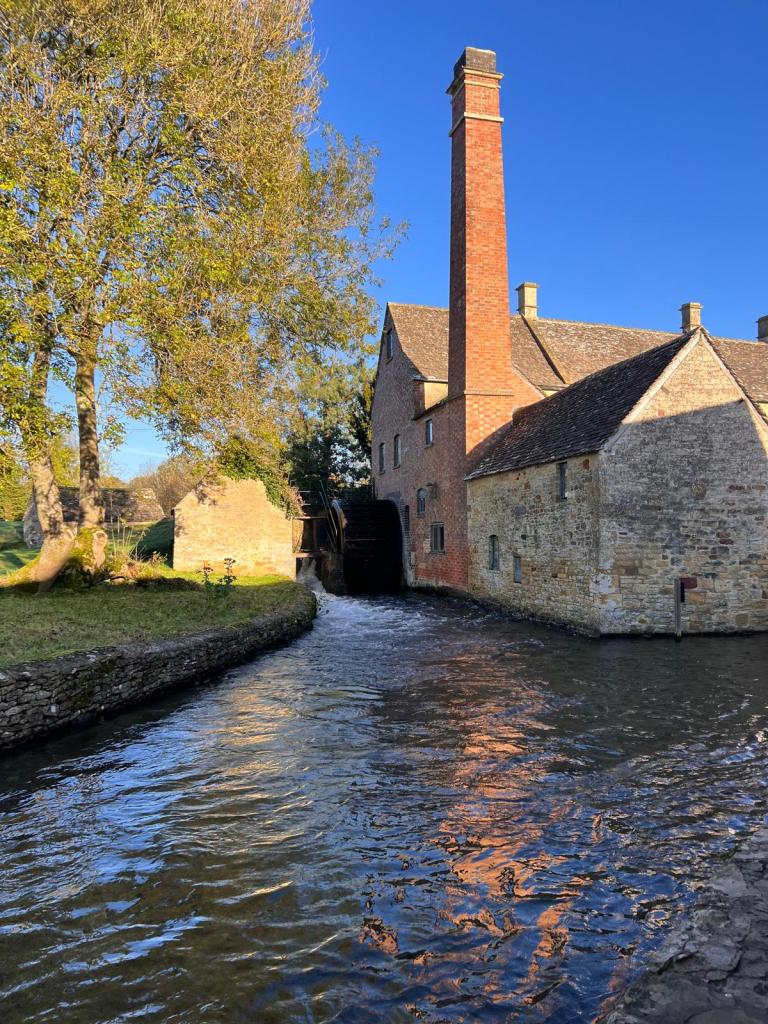
As you walk along, you will reach the unmissable Old Mill with its trade mark red brick tower and the water wheel.
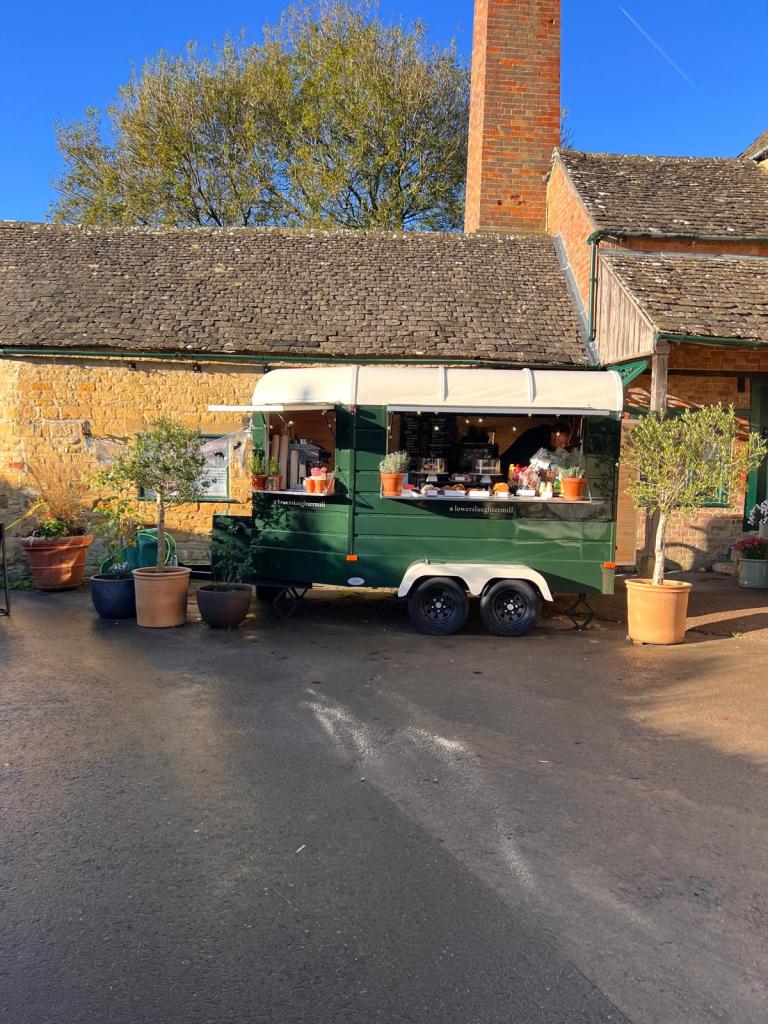
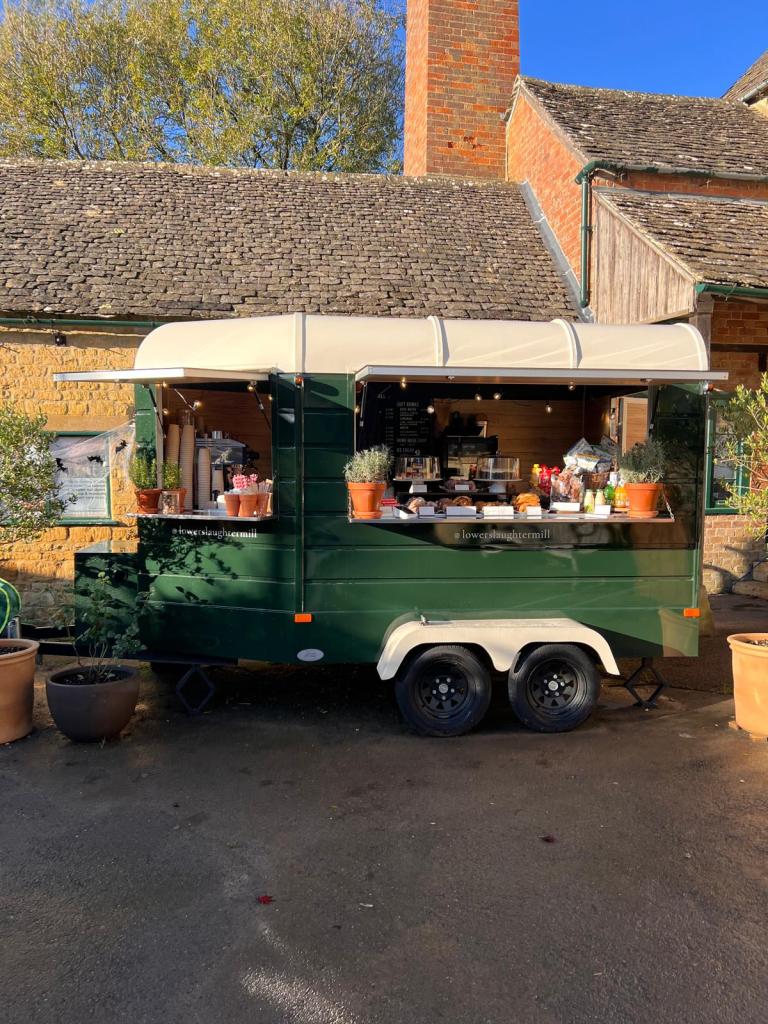
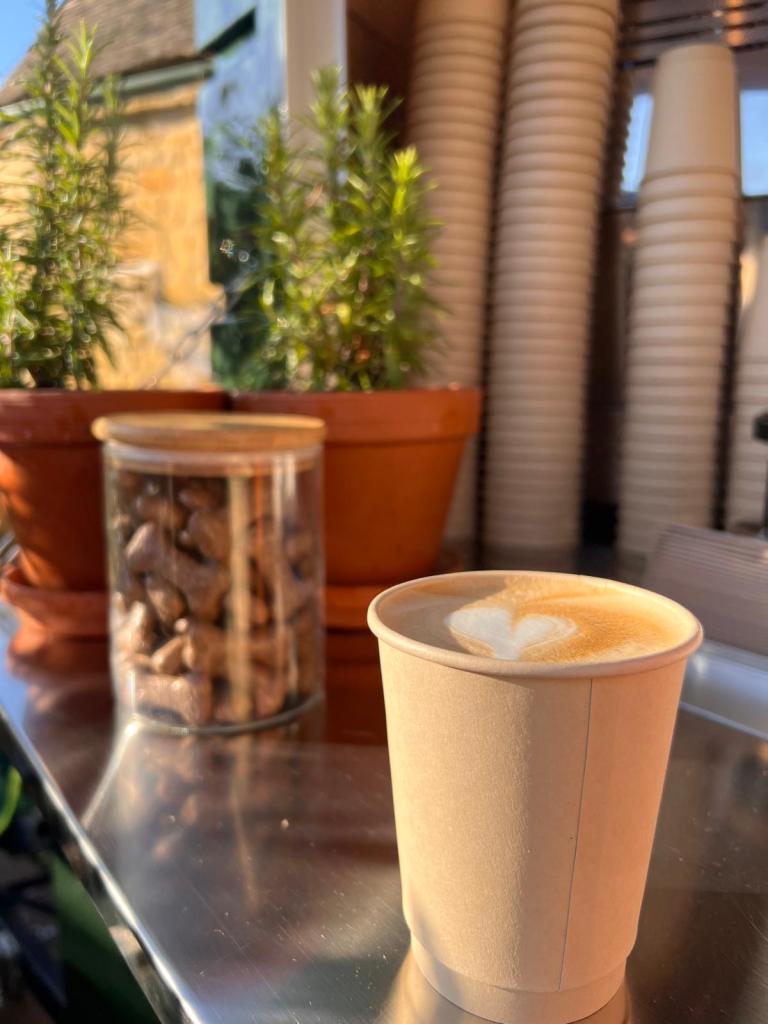
If you just turn around, you will walk into this charming little horse trailer that doubles as the delightful mobile coffee van and sells some delicious coffee and pastries. What warmed my heart was they have doggie treat and smoothies for the infants/toddlers all served with a smile by the thoughtful owner.
We kept walking further up and had the most peaceful town to savour that morning.
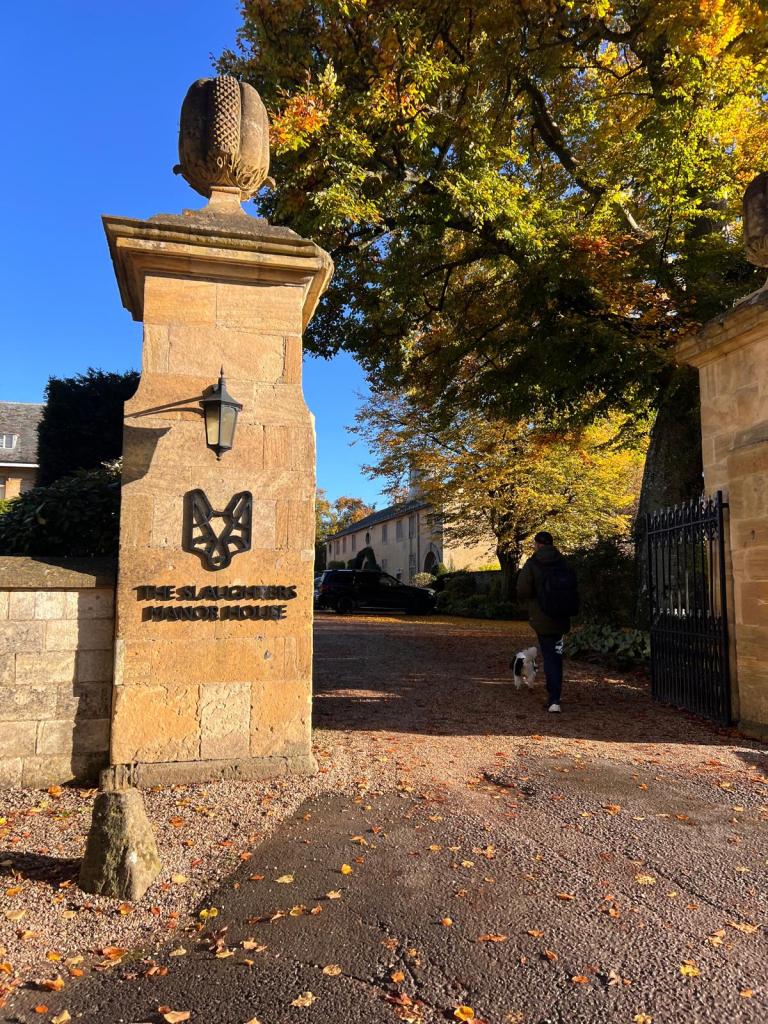

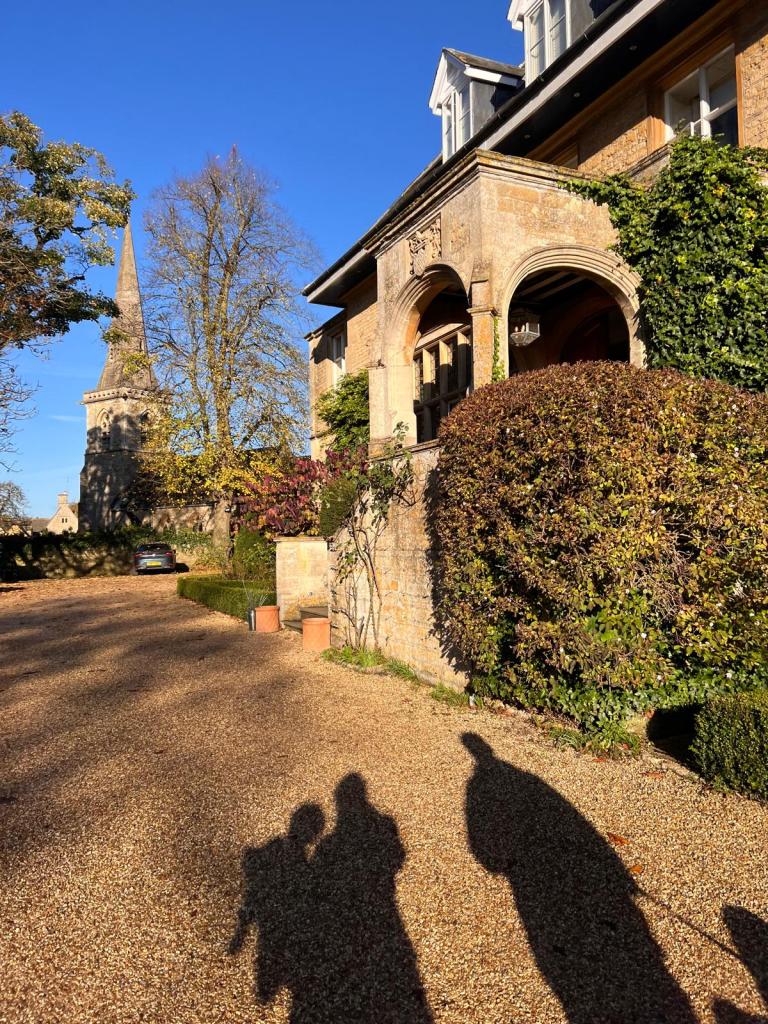
We were peckish and decided to turn back and try the beautiful Manorhouse for breakfast but unfortunately it was only open to residents so we just had a quick look around and decided to head to Bourton on the Water for some breakfast and explore the market centre. All of that in my next one!
 Life and Times of Piyu